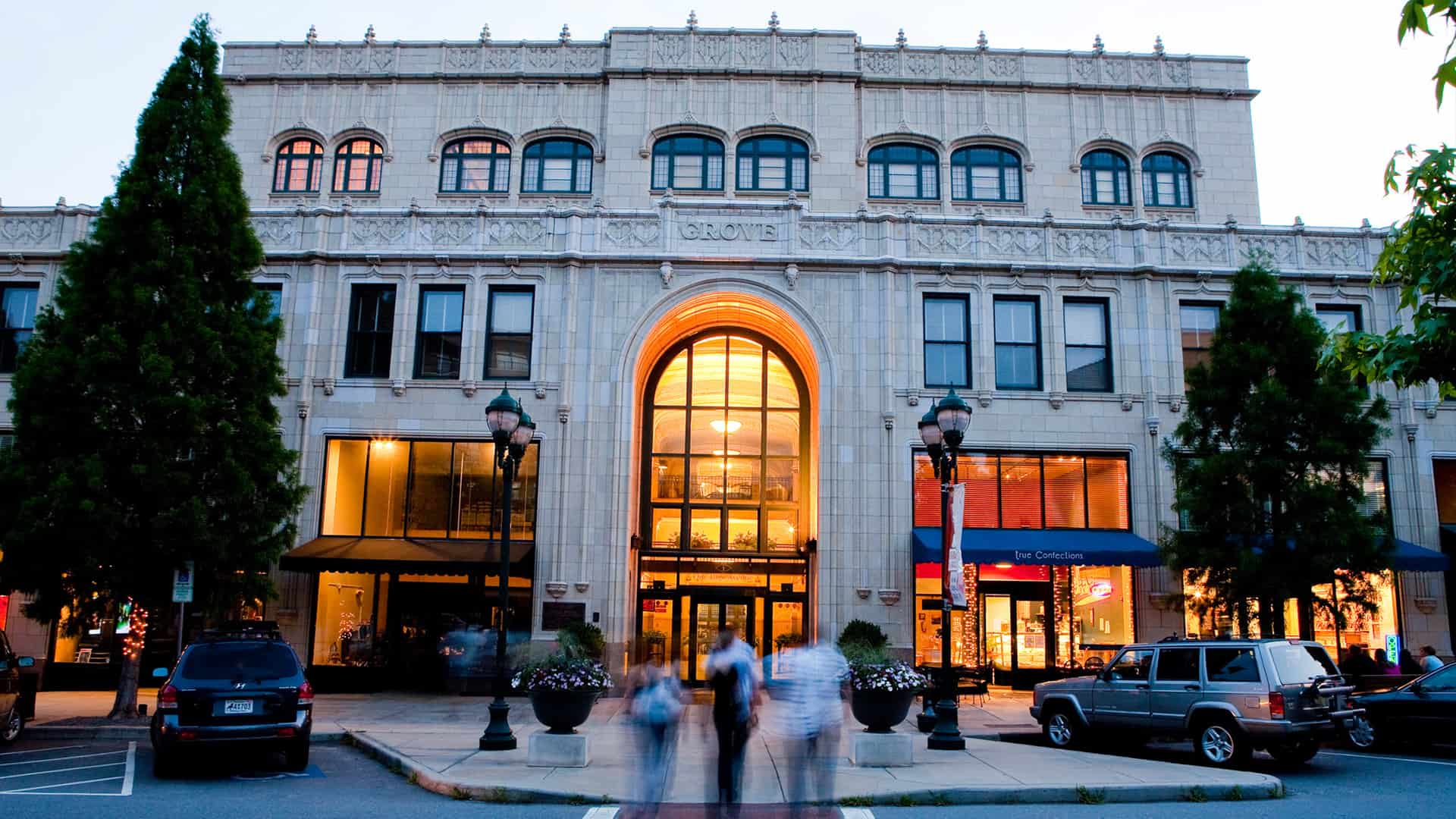
a historical timeline of grove arcade

Click through the dates of the timeline below to view historical times highlighted from the history of Grove Arcade and its founder E.W. Grove.

1910

E.W. Grove Moves To Asheville

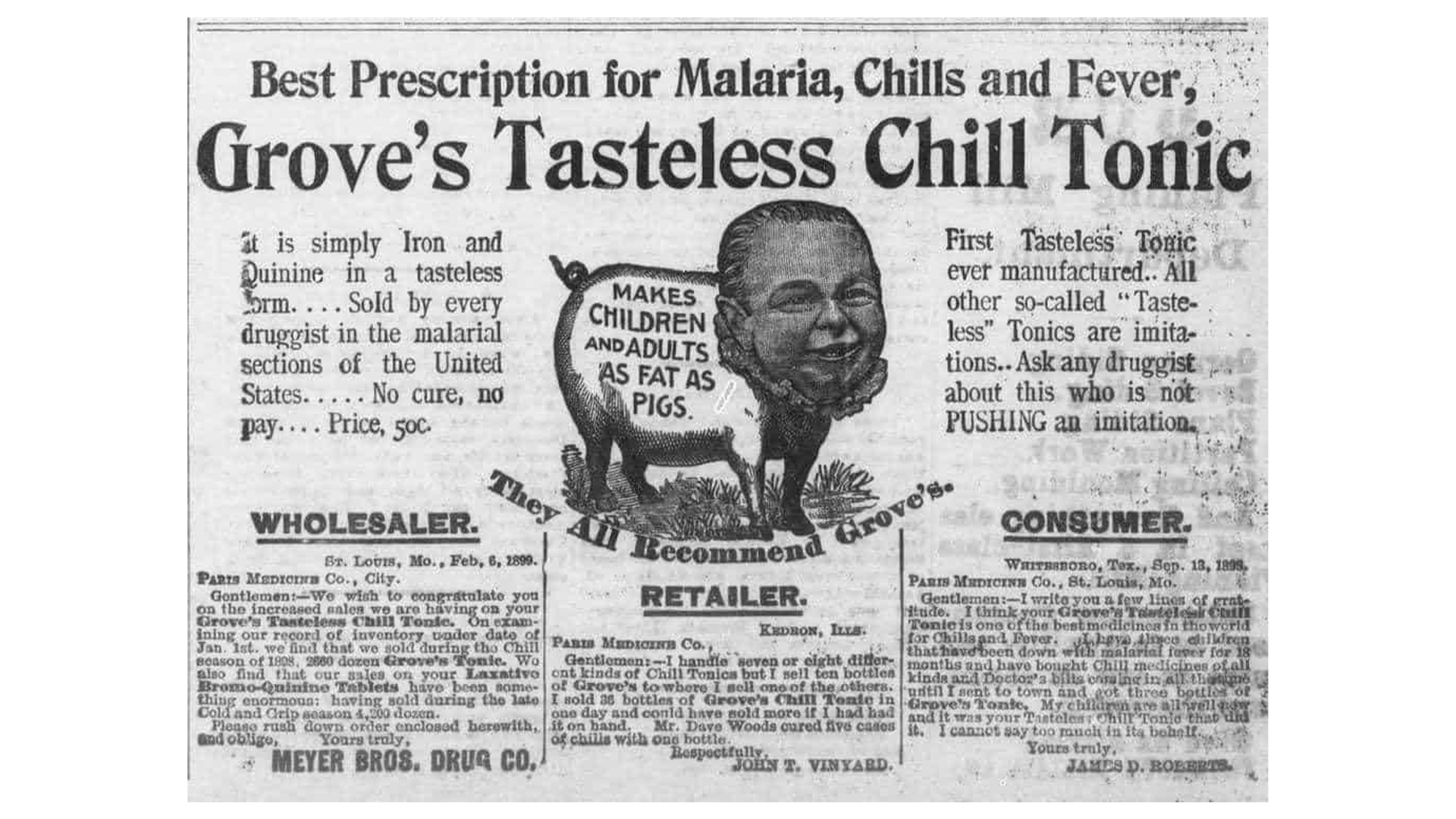
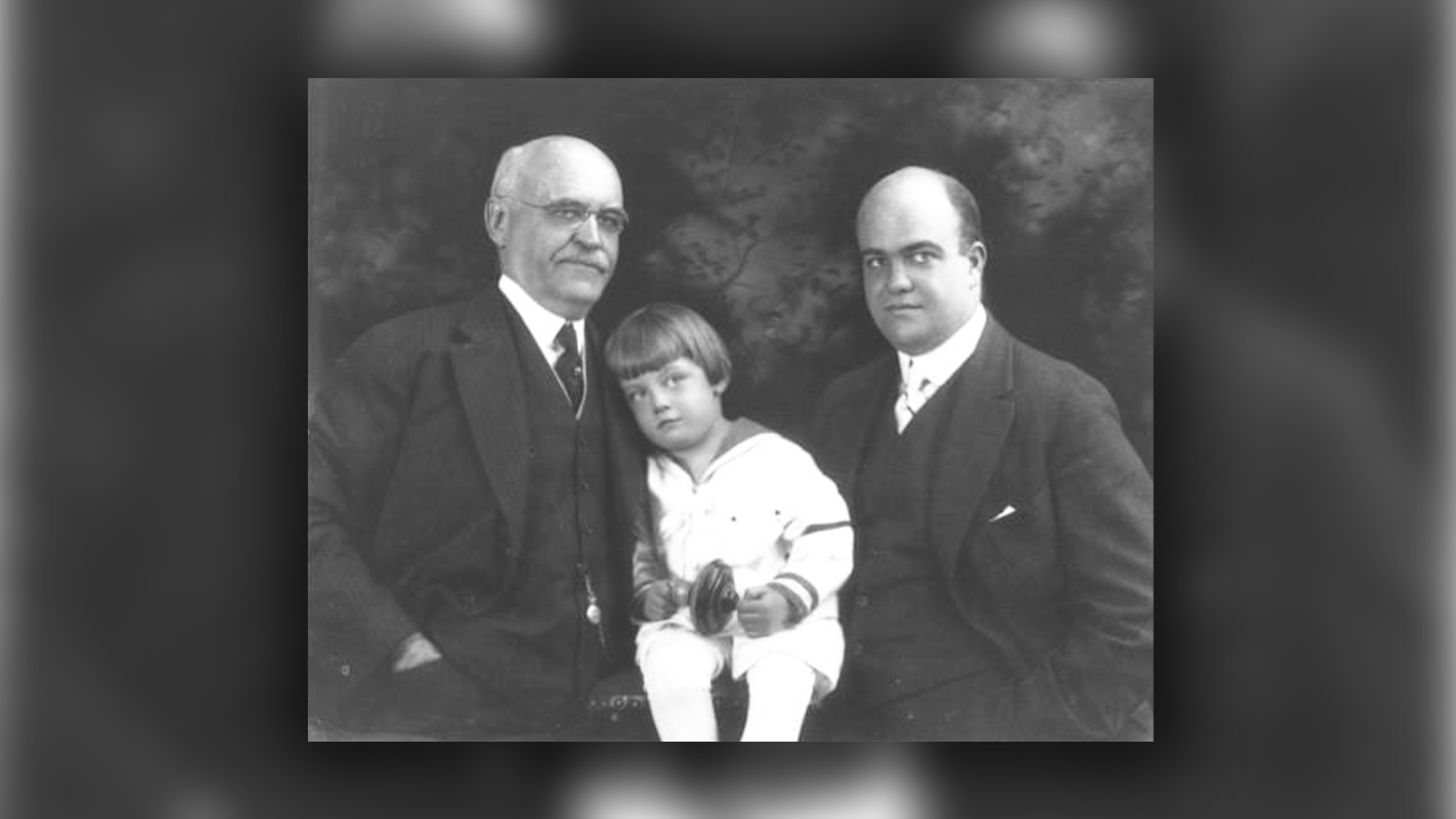
After moving his tonic operation to St. Louis, the heavy pollution of the factory district caused Grove to develop lifelong breathing issues. E.W. Grove visited Asheville for its climate, which he found was good for his health and relieved his bronchitis. The Grove Arcade was the grand dream of E.W. Grove, a self-made millionaire who moved to Asheville in 1910 after establishing a summer home there twelve years earlier.

1920

Construction Begins on Grove Arcade

By 1915, E.W. Grove had completed the Grove Park Inn and became involved in other civic projects. Grove understood that a successful city needed a vibrant downtown.

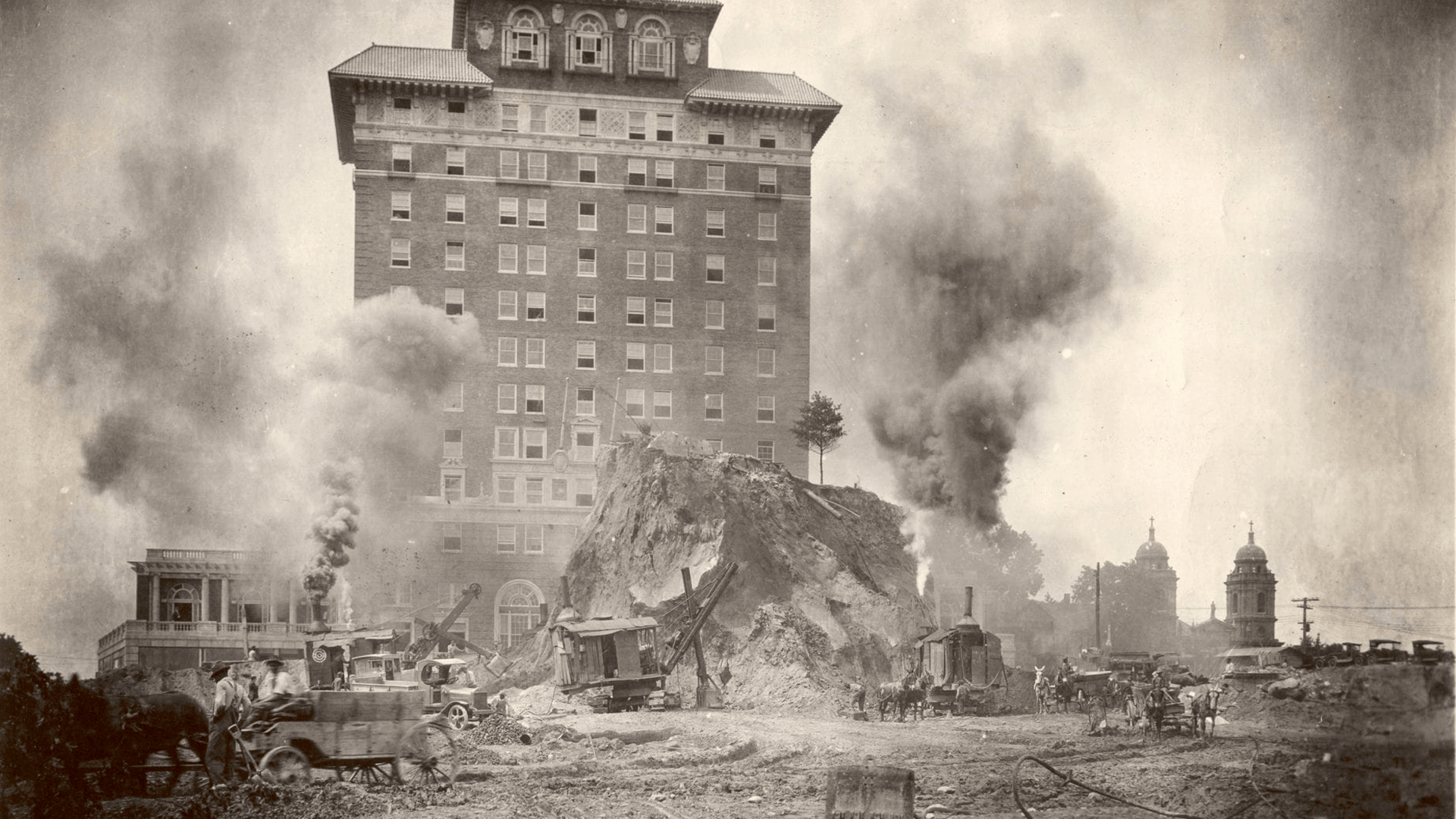
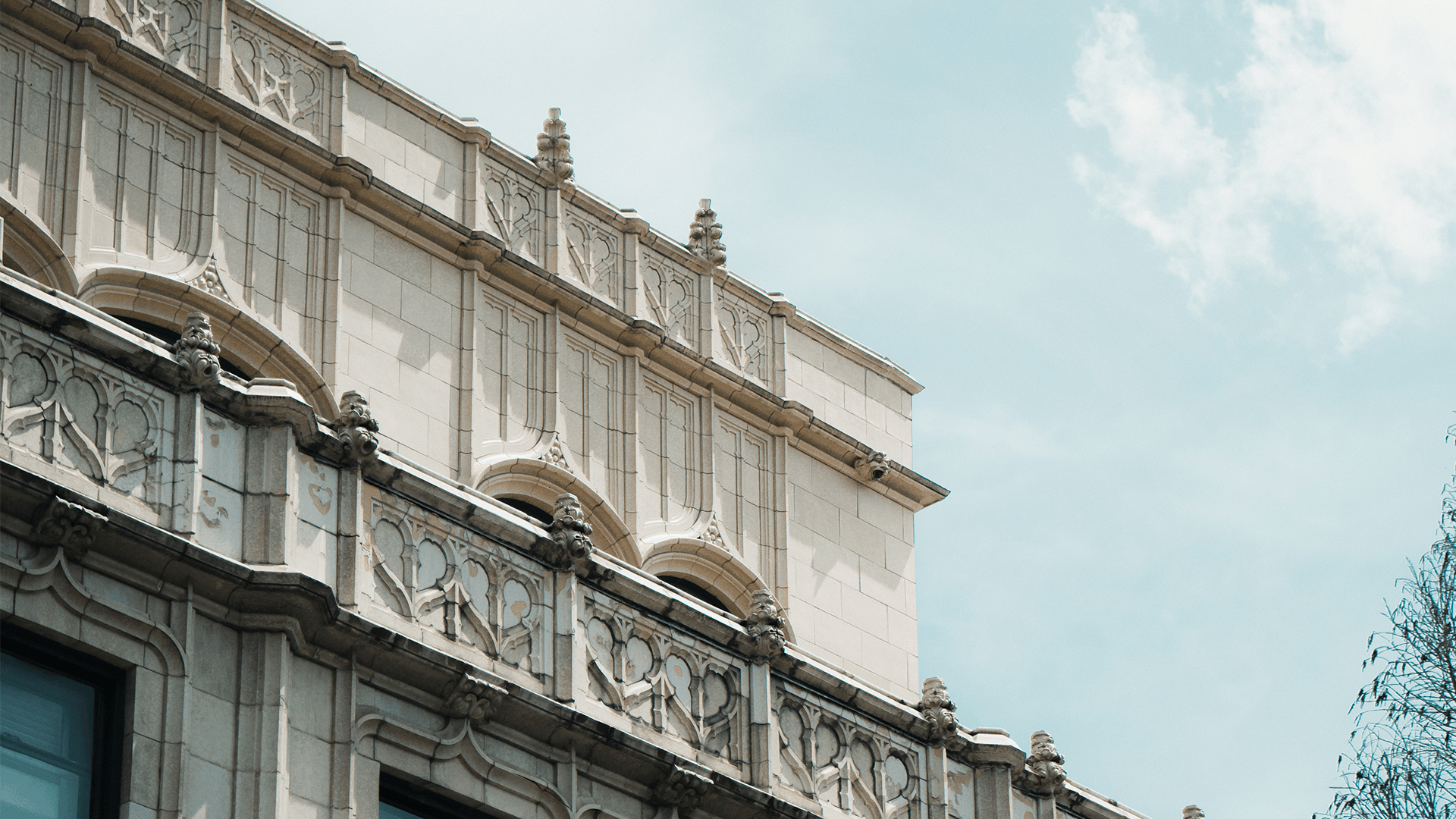
In the early 1920s, he began plans to construct a new building to enliven the downtown of the city he had come to love. He conceived of Grove Arcade as “the most elegant building in America”—and as a new kind of retail center. Architect Charles N. Parker designed the Arcade, which was originally envisioned as a five-story base with a 14-story tower, filled with shops, offices and living spaces.

1927

E.W. Grove Passes Away

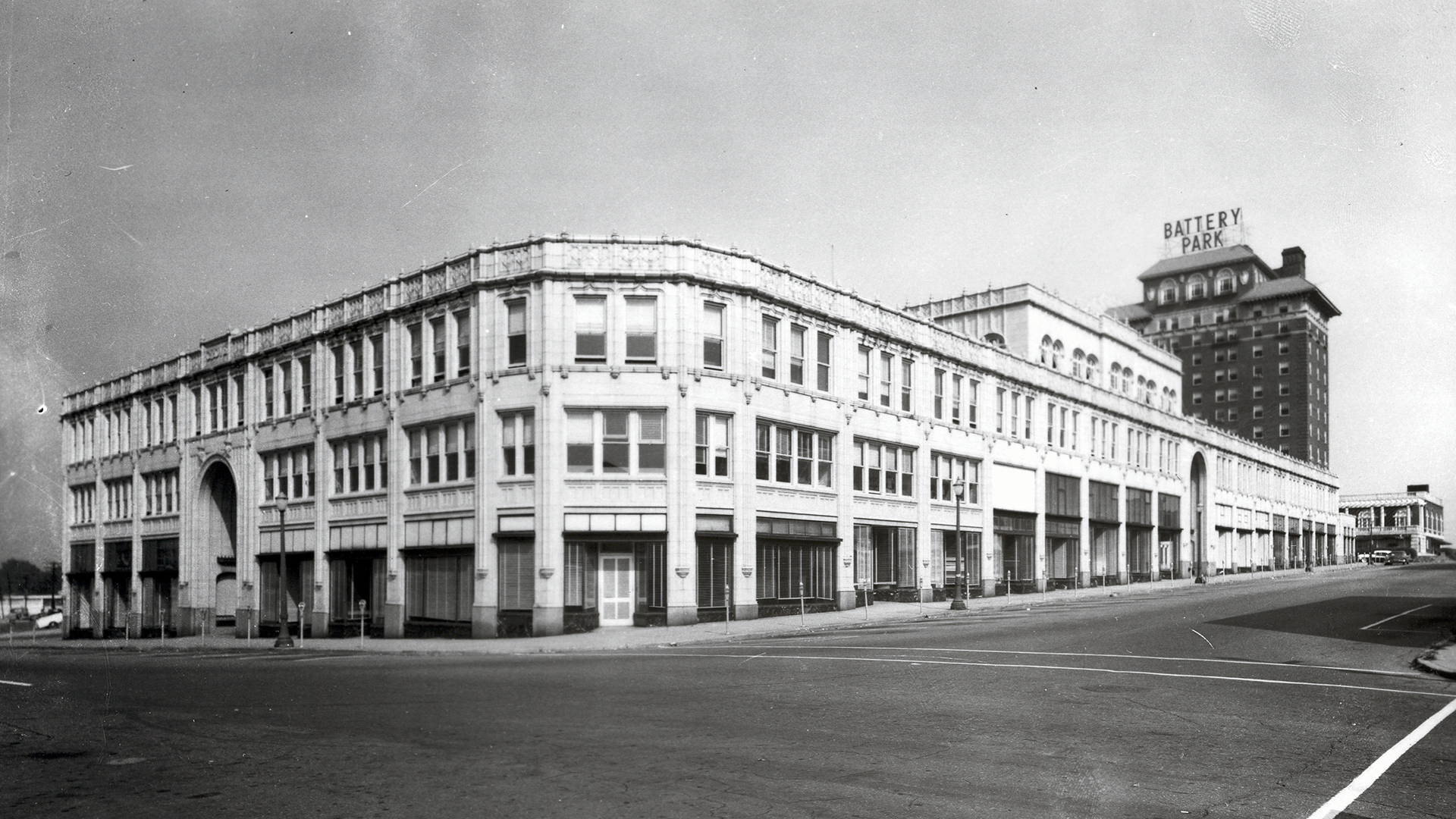
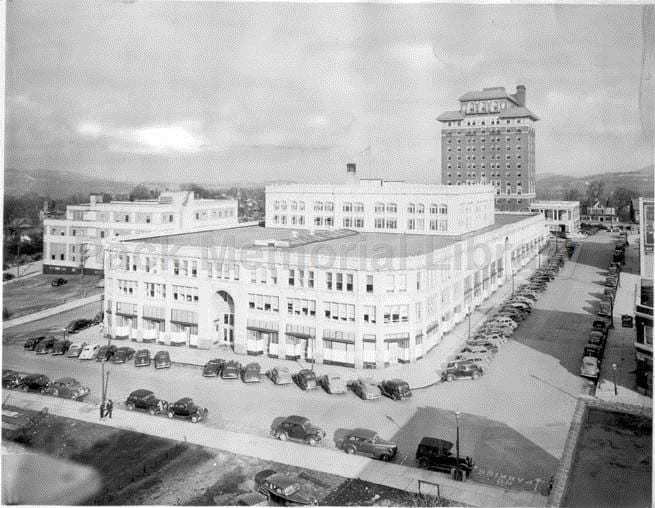
Grove died in 1927, two years before his dream was completed. Only the base of Grove Arcade was built, yet at 269,000 square-feet, it was by far the largest building in the region.

1929

The Grand Opening of Grove Arcade

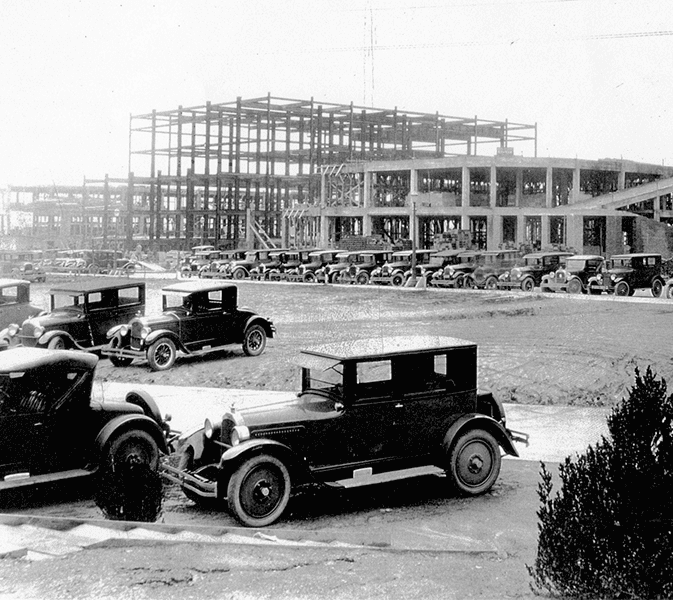
When Grove Arcade held its Grand Opening 1929, it quickly became home to a fine collection of local shops and services. Tenants included candy and cigar stores, a haberdashery, a public stenography office, fruit stands, millinery shops, beauty parlors and barbershops, a photography center, bookstalls and specialty groceries. Offices filled the upper floors. For 13 years, from 1929 to 1942, the Arcade was the center of commercial and civic life in Western North Carolina.

1942

Grove arcade is closed during wwII

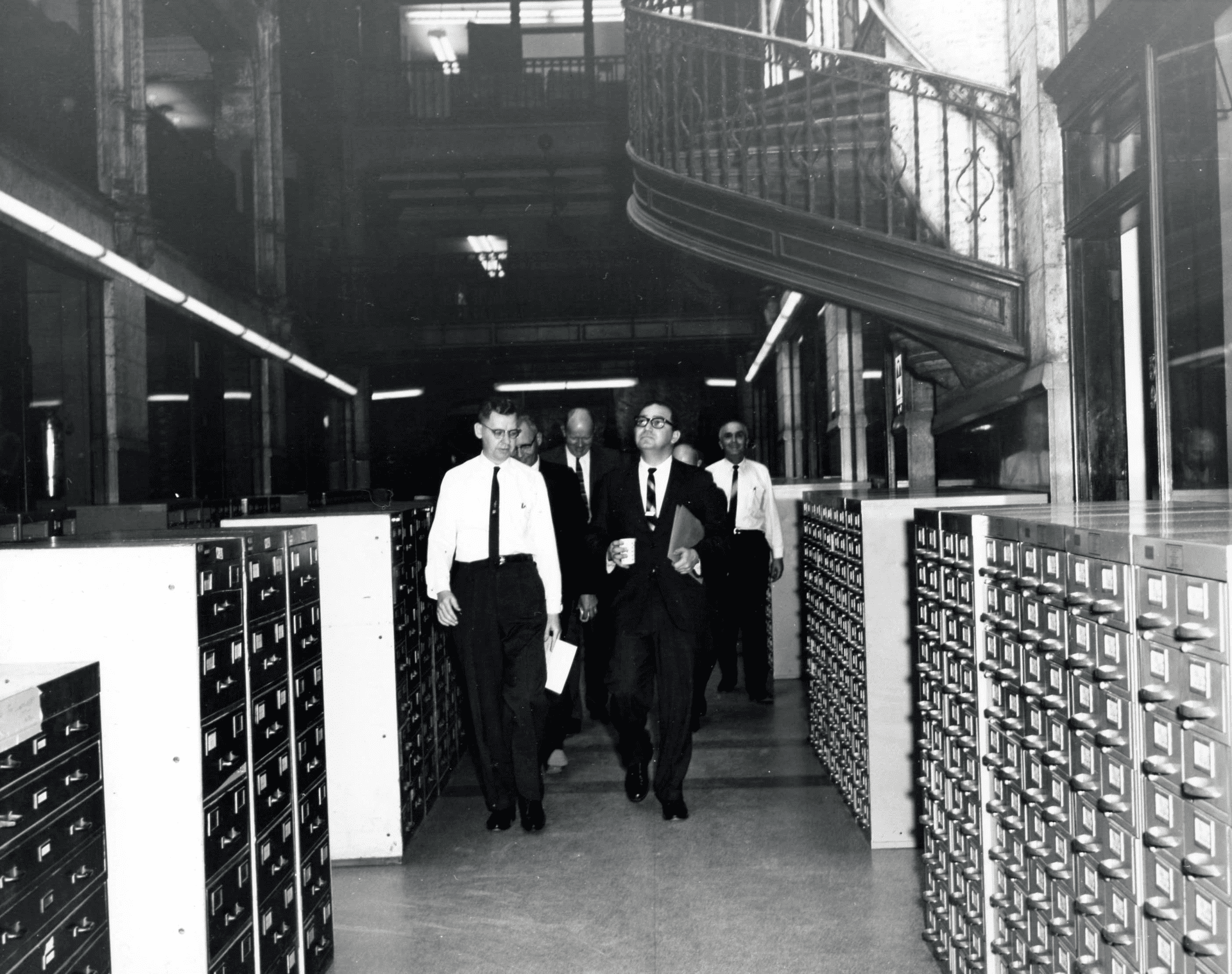
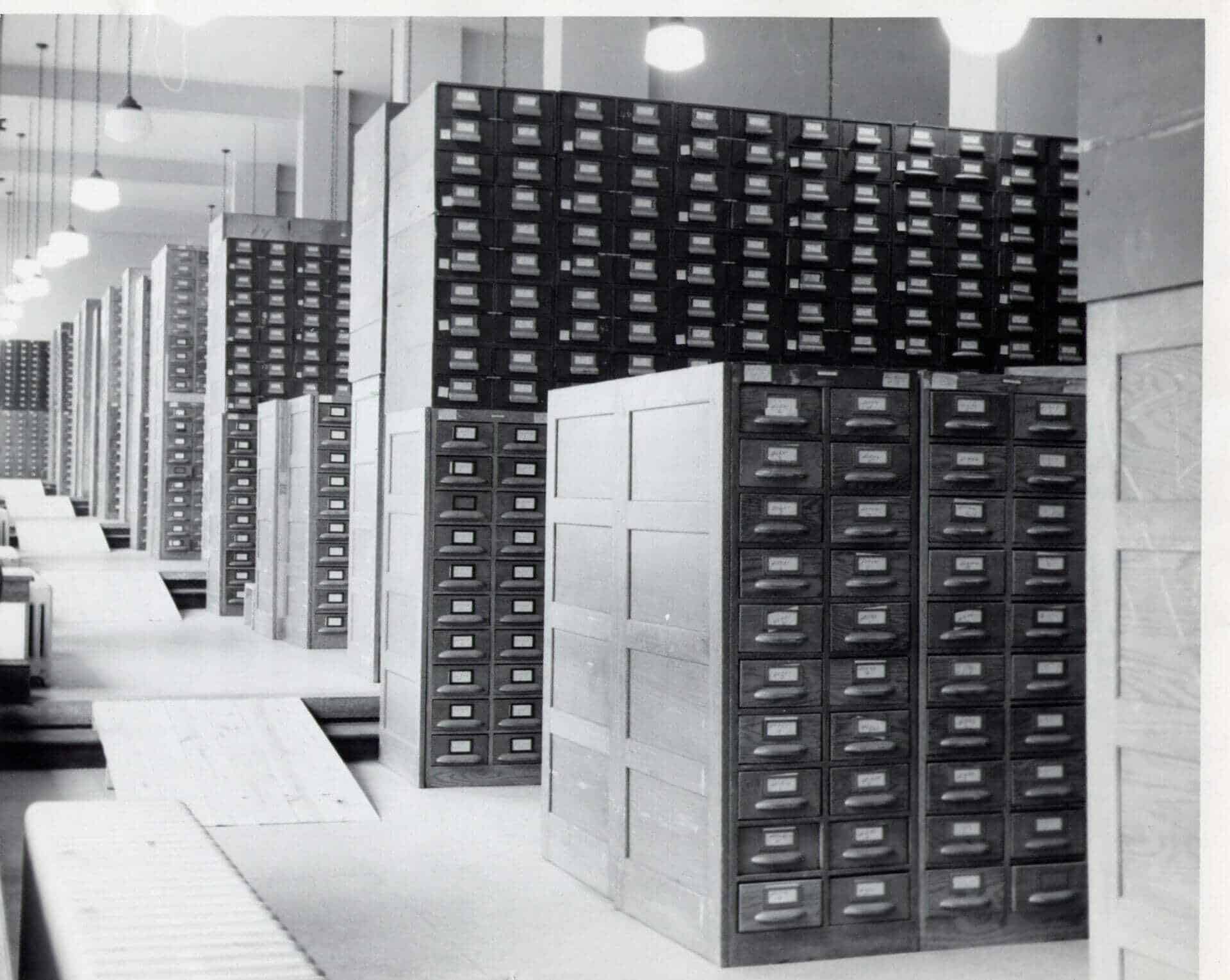
As part of the United States efforts during World War II, the Grove Arcade was closed by the federal government and used by the military for the duration of the war. Officials chose the building because it was large and located in a safe, remote place—important considerations in the war effort. Seventy-four shops and 127 offices were evicted with less than one month’s notice.

1976

Grove Arcade Added To National Register of Historic Places

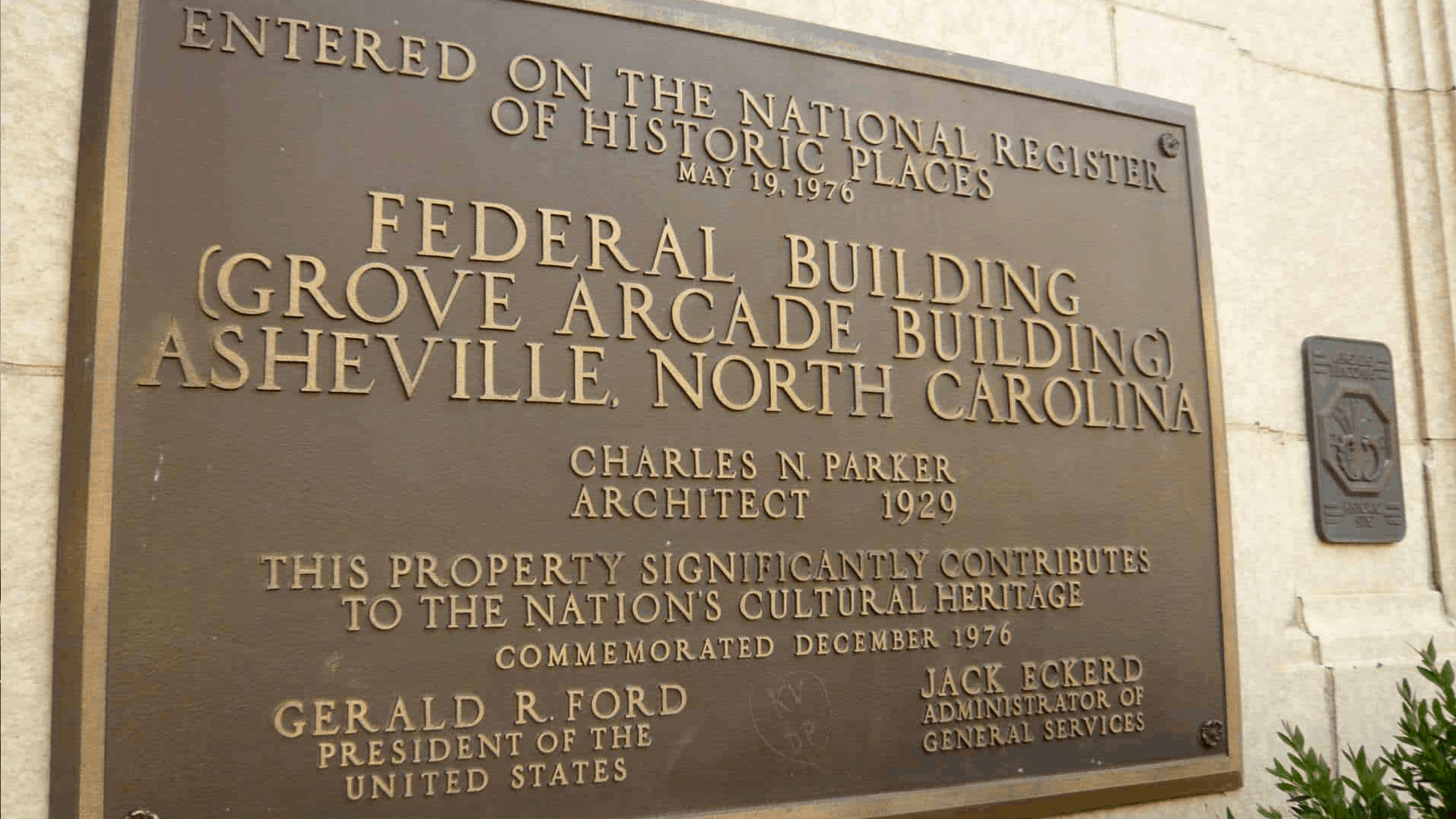
In 1976, Grove Arcade became the first enclosed mall in America to be listed on the list – a point of pride here in Asheville.

The National Register of Historic Places is an official federal list of America’s historical buildings, sites, districts, and other areas worthy of protection. These are places identified for their significance in American history, architecture, art, culture, and more.

1980

Government aanounces plan to remodel grove arcade

Public support began to grow for a plan to return the Arcade to its original use. In the 1980s, the government announced plans to remodel and enlarge the building. The renovation efforts coincided with a push to revitalize Downtown Asheville, which had fallen into disrepair and was largely abandoned as a commercial center.

1992

Grove arcade public market foundation is formed

The G.A.P.M.F. was formed out of concern for the historical integrity of Asheville’s architectural jewel. Following more than a dozen considerations from private development companies, they all discovered that Grove Arcade was impractical for a conventional financing.The Foundation is a not-for-profit, 501(c)3 corporation with the mission of restoring Grove Arcade to its original form and function.
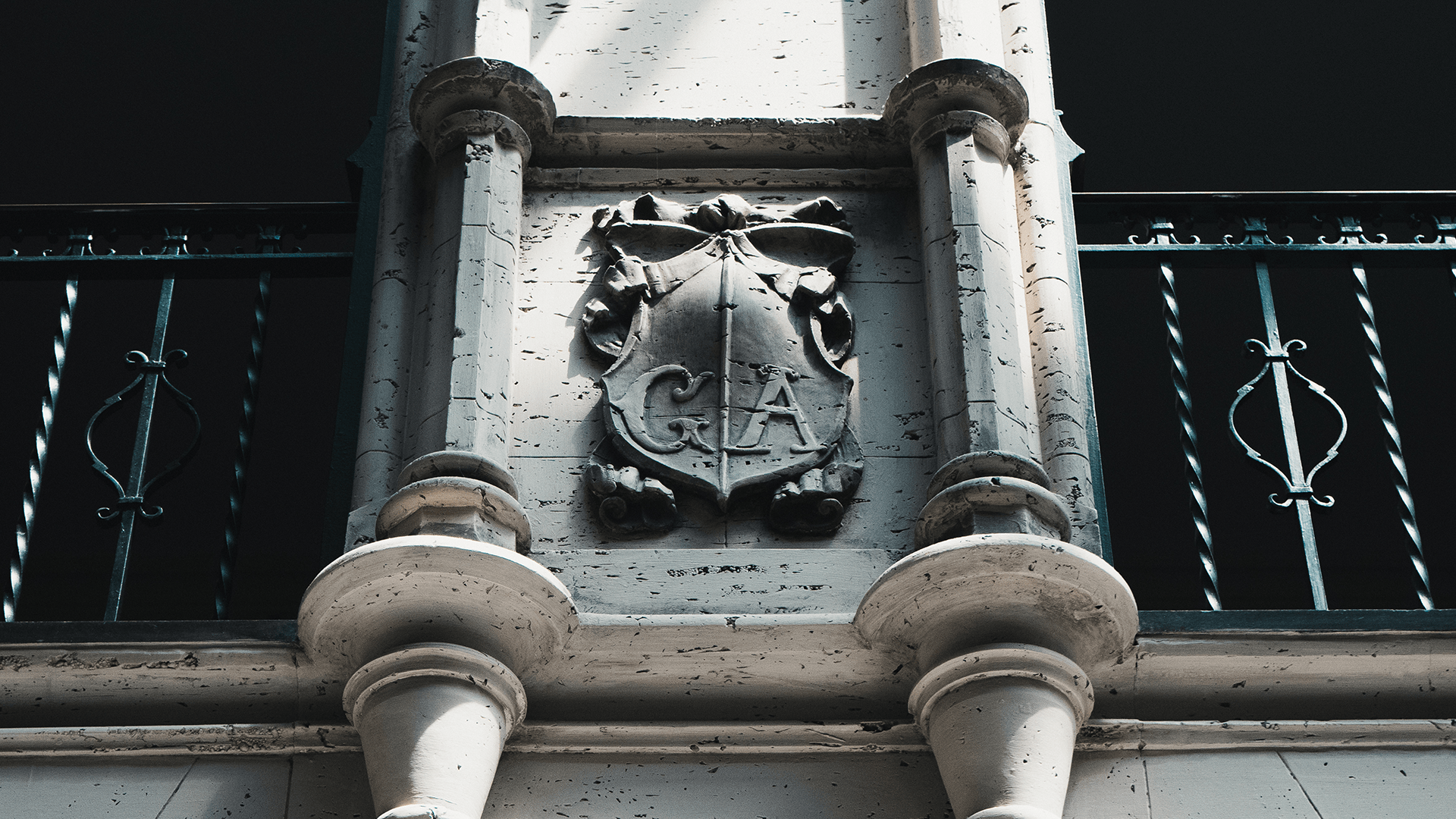
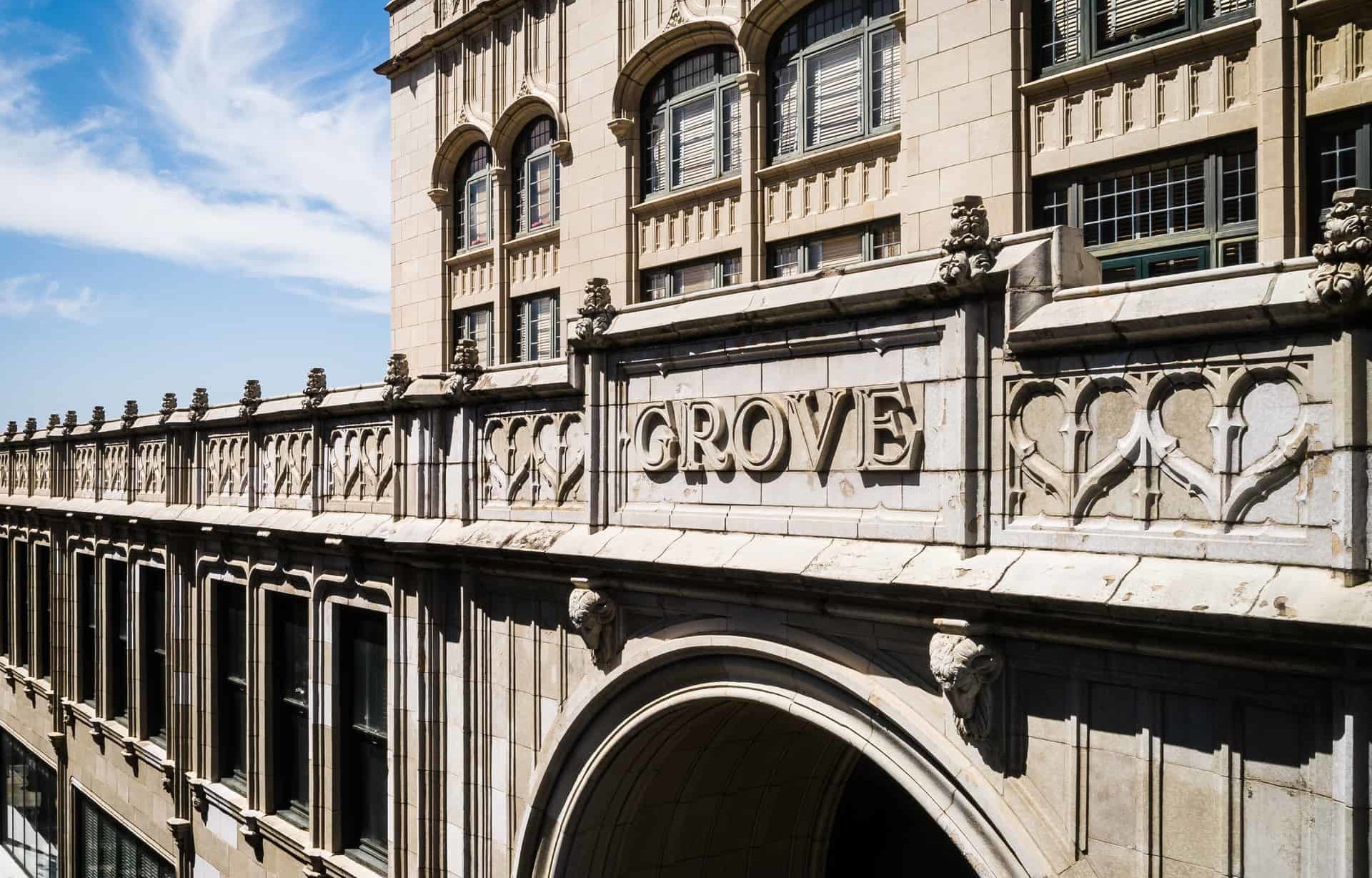
photo of grove arcade arch looking up

1995

NWRC vacates grove arcade

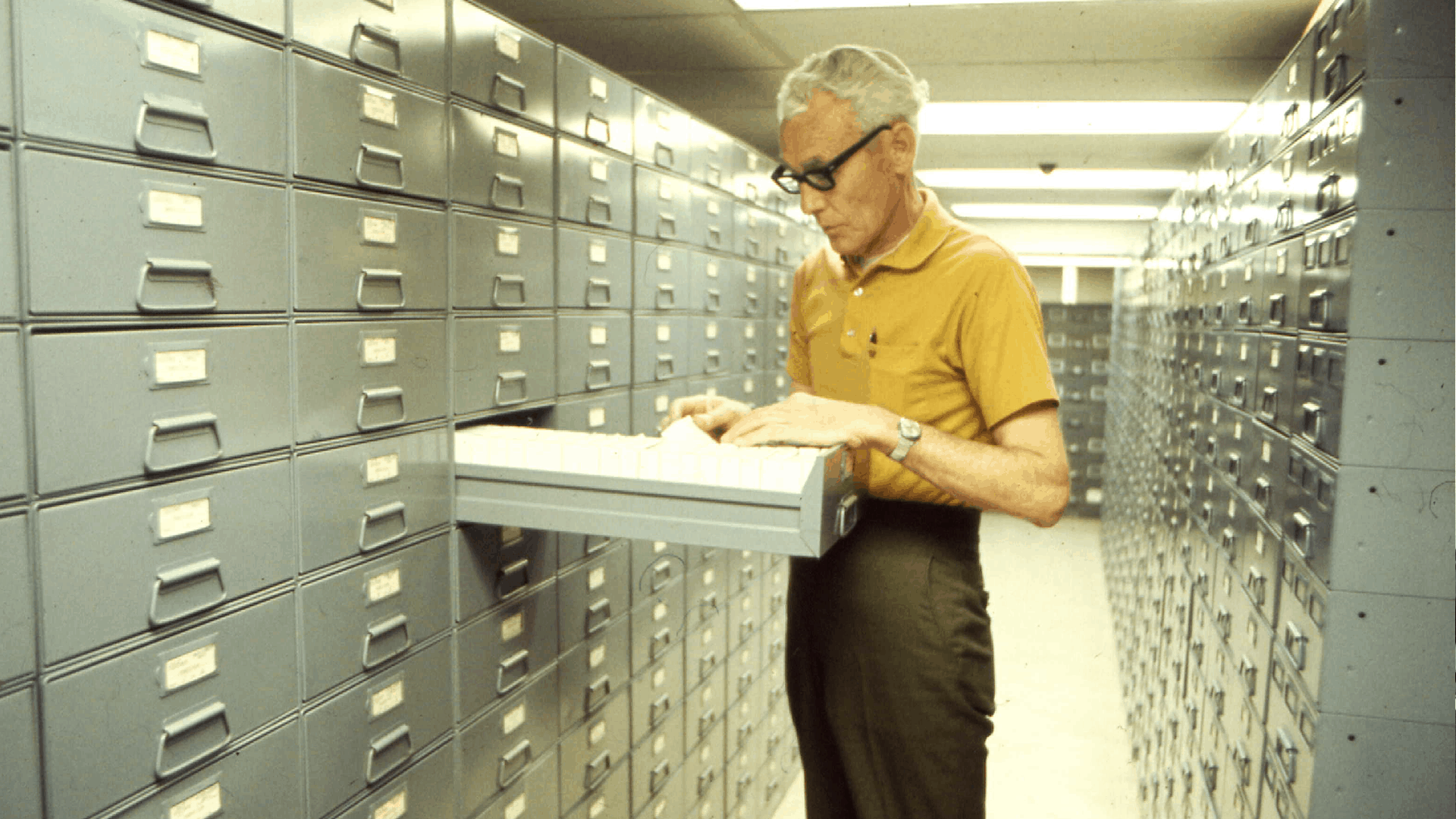
The National Weather Records Center in Grove Arcade was changed into a new organization, the National Climatic Data Center. A new Federal Building was built to house the new organization 1995, and plans for Grove Arcade to become Asheville’s new Public Market started to take shape.

1997

198 Year Lease Signed

In 1997, the City of Asheville acquired title to the building under the National Monument Act and signed a 198-year lease with the Grove Arcade Public Market Foundation.