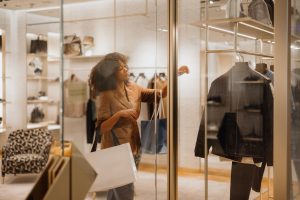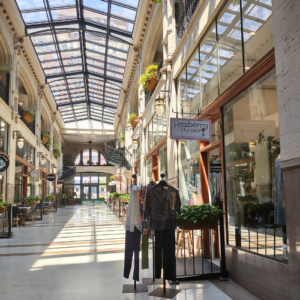
With the evolution of shopping experiences, both online and offline, consumers now expect more than just a standard retail environment. The demand is not just about having a variety of products but about finding a holistic experience that caters to their appreciation for architecture, local craftsmanship, and authentic atmosphere. Understanding the unique features that attract sophisticated shoppers can help a boutique marketplace grow and maintain a loyal customer base.
Prioritizing Authenticity in the Guest Experience
First and foremost, modern consumers highly value authenticity and the story behind their shopping marketplace destination. This means marketplaces that prioritize historic preservation, curated storefronts, and a seamless blend of heritage and hospitality. Many shoppers appreciate a localized approach where every corner offers a unique discovery rather than a generic layout. Businesses must integrate these elements so that each visitor’s journey feels like an intentional exploration rather than a routine transaction.
Fostering Connection through Shared Spaces
Social interaction remains a foundational aspect of the boutique shopping marketplace experience. Interestingly, according to research by Capital One Shopping, physical retail hubs serve as vital social centers for younger generations: nearly three-quarters of Gen Z visit monthly, with a staggering 82.2% heading there specifically to spend time with friends. This emphasizes the need for historic marketplaces to provide inviting community spaces where people can gather over local coffee or artisan meals. Elements such as open-air seating and communal dining areas contribute to the ambiance that many consumers seek in a high-end environment.
Enhancing Engagement with Curated Artistry
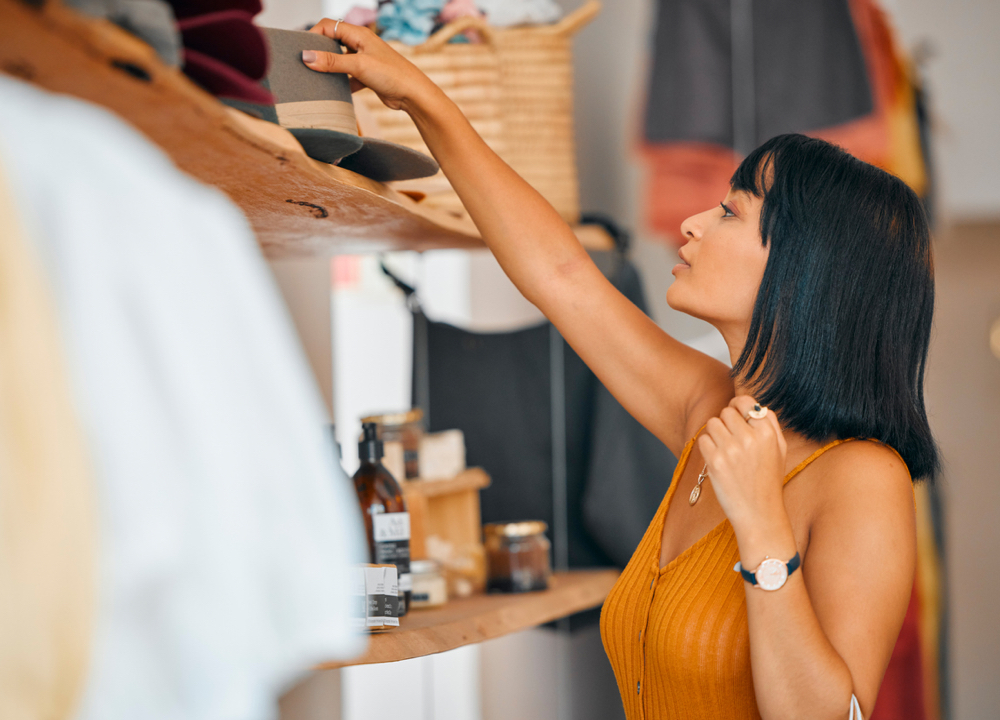
The integration of local artistry and specialized craftsmanship is another significant feature consumers expect from a premium destination. Rather than looking for digital distractions, shoppers increasingly seek out physical environments that offer tactile engagement and personalized service. This appreciation for the “maker” culture creates a luxury that cannot be replicated online, where the focus remains on the quality of goods and expertise of shopkeepers. Environments that celebrate regional talent and high-end aesthetics maintain a competitive edge by offering a sensory experience that defines the future of luxury retail.
A thriving shopping marketplace aligns with modern expectations by offering a sense of history, facilitating real-world social interactions, and embracing local artistry. Boutique destinations not only enhance the guest experience but also strengthen their position as a cultural landmark. As consumer demands continue to shift toward meaningful experiences, so must the strategies of the spaces that aim to serve them. Discover unique shops, local dining, and one-of-a-kind experiences; visit today and explore everything Grove Arcade has to offer.